A New Appreciation for How Hard Computers Have Been
Over the past six months, I’ve come to appreciate just how hard computers have been to use, even for those of us who thought we were comfortable with them. For decades, I mistook familiarity for simplicity. Only recently have I started to recognize how much complexity I had simply learned to navigate.
I remember when my dad brought home a Macintosh. I remember using the Mosaic browser for the first time. I remember using iPhone on launch day in an Apple Store. I had no intention of buying one, but after spending a few minutes with it I was shocked by how different it felt and bought it on the spot.
Looking back, what made those moments memorable wasn’t the technology itself. It was that they removed friction. They made computing more approachable for more people.
The Mac did that in the 1980s. The internet did that in the 1990s. iPhone did that in the 2000s. And large language models are doing it in the 2020s.
What’s been surprising to me is that I’ve spent decades feeling comfortable around computers. I’ve been using them for more than forty years. I knew how to navigate their complexity, so I stopped noticing it. Only recently have I started appreciating how much effort we’ve all been putting into working around the limitations of computers themselves.
Over the last few years I’ve been able to build things that would have been completely out of reach for me before. Not because I suddenly became dramatically more skilled, but because large language models and agents have given me leverage that I simply didn’t have before.
The experience reminds me of what smartphones felt like for many people. Before smartphones, computers could do incredible things, but actually getting them to do those things often required a lot of knowledge. Then suddenly you had focused applications, constrained screen space, and interfaces that forced developers to prioritize the core task. Complexity didn’t disappear, but it became hidden behind something people could actually use.
In many ways, large language models feel similar. Smartphones made everyday computing dramatically more accessible. Large language models are doing something similar for software development and other advanced uses of computers. They allow me to focus more on the idea and less on the mechanics required to make it happen.
For the first time, I’m regularly asking a computer to do something in plain language and having it understand what I mean instead of requiring me to learn what it expects. That sounds obvious when written down, but it’s a profound shift.
It has also made me rethink other technologies we take for granted.
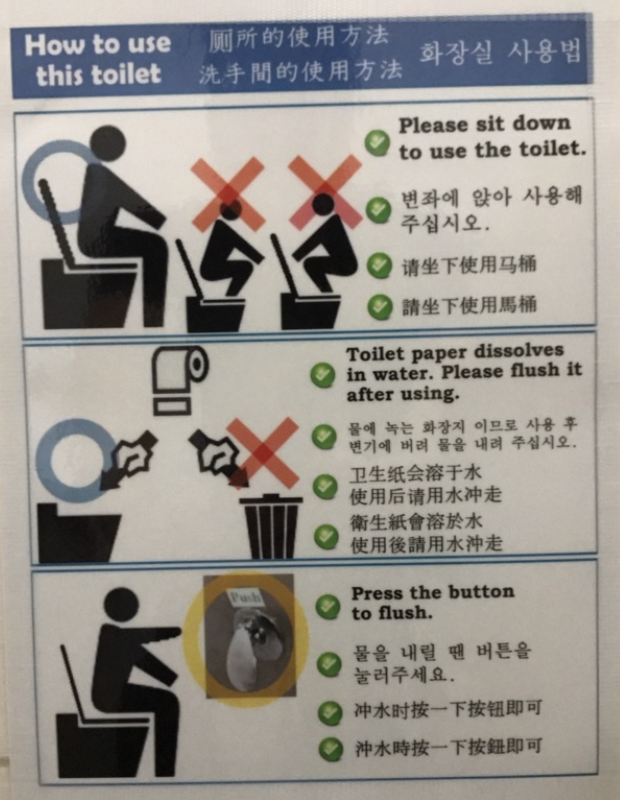
When I travel in parts of the world, I occasionally see signs above toilets showing someone standing on the seat with a red X through it. The first time I saw one, I laughed. The second or third time, I realized what I was looking at: evidence that even something as familiar as a toilet is learned technology. Not everyone grows up with the same assumptions about how it works.
The same thing happened with frozen food. In Frostbite, I read that when freezers were introduced, people didn’t immediately trust food that had been frozen. It took about a decade before the general public felt comfortable eating frozen food. What seems obvious today was unfamiliar and sometimes uncomfortable when it first appeared.
New technologies often look strange until enough people develop the mental models needed to use them comfortably. AI is admittedly a more complicated example. It raises legitimate questions about authorship, employment, trust, and power, and it may be one of the first technologies that can meaningfully participate in creating the tools built with it.
Those concerns are real and worth discussing. Even so, the experience of using it reminds me of those earlier moments when computing suddenly became accessible to a much larger group of people.
Perhaps that’s why I’ve found these tools so compelling. I’ve spent decades building mental models around computers. I know how software works, where systems break, and how to decompose problems. That prior knowledge helps. For years, many of the things I wanted to build required expertise, time, and resources that I simply didn’t have. These tools are making many of those barriers dramatically smaller.
What’s surprised me is that they’ve also changed how I think about the expertise I’ve accumulated over the years. I’ve started to suspect that much of what I considered computer literacy was really expertise in navigating friction. It was learning how to communicate with computers on their terms.
Now computers are getting better at communicating with us on our terms.
That’s the part that feels important. Not that computers are becoming more powerful. They’ve been powerful for a long time.
For most of the history of computing, people learned how to speak the language of computers.
Computers are finally starting to learn ours.
They’re finally starting to become easier to use.